Whether you are from, Saint-Louis-du-Ha! Ha!, Springfield or Ea names are important. They help us identify where we are, where we are from and where we want to go to.
Almost everything has a name and OpenStreetMap volunteers have mapped 115 million names.
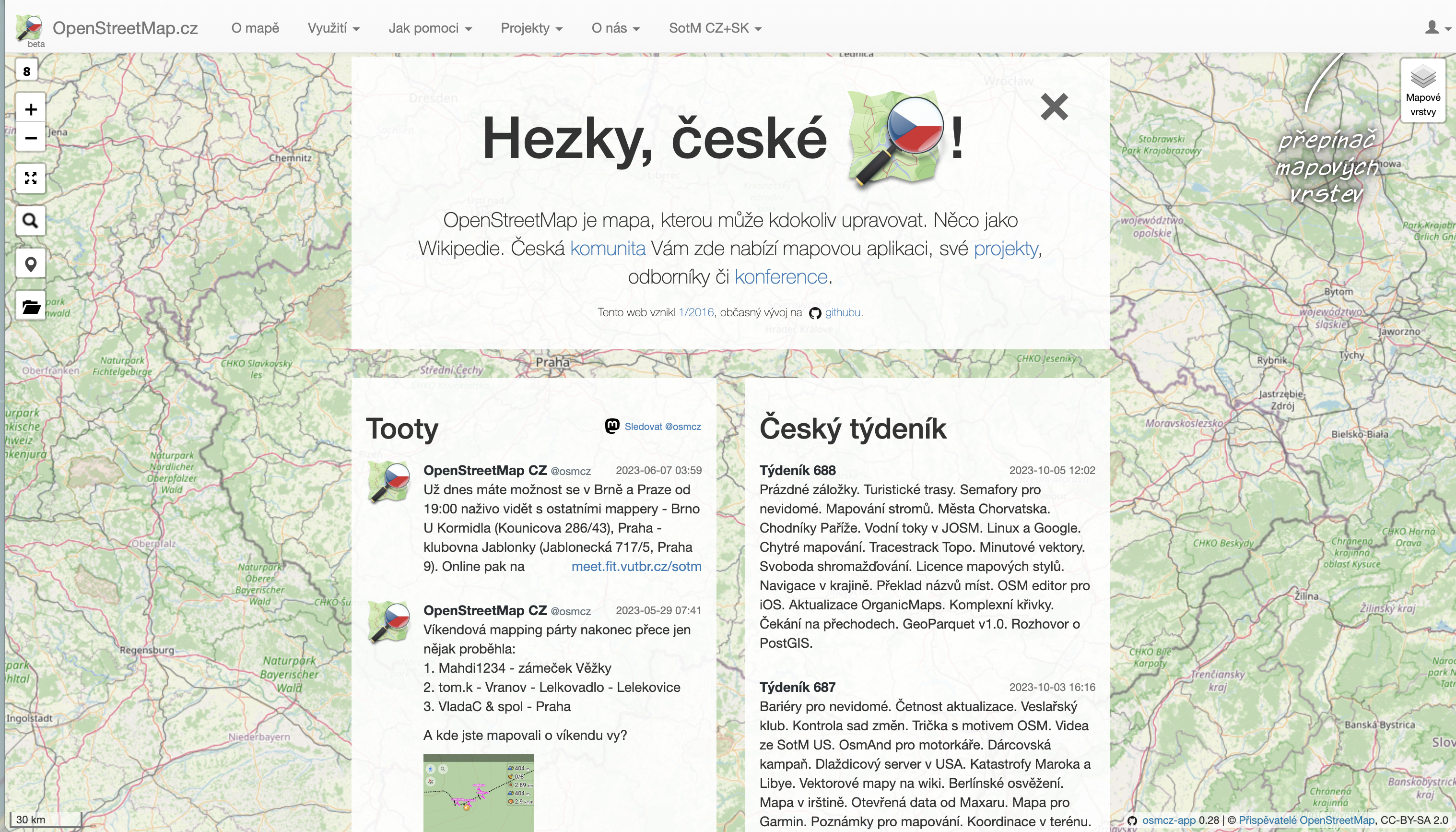
Local name of features on www.openstreetmap.org
In OpenStreetMap, the verbal identifier with which people refer to something is documented by the name= tag. This usually is the most common name in the local language and is the most obvious name of the feature. For example, if you are in France and map a road called “Rue des Beaux-Arts”, you add name=Rue des Beaux-Arts so that everyone knows what that road is called.
There are many map styles based on OpenStreetMap data. On www.openstreetmap.org, we display “osm-carto” style by default, with a layer switcher for many others.
There are a few simple rules that the OpenStreetMap community follows, including:
name=is typically the commonly used name in the local language. A street in Paris has asname=its French name, not the name in English.name=should be verifiable.name=should be a proper name – not a description or a reference id.
The recording of names is a complex issue, but these are the main rules we use.
The OpenStreetMap community tries to ensure that the name= tags in the OpenStreetMap database are correct, for mapped features with names such as shops, places, streets, lakes or even oceans.
Additional names of features on www.openstreetmap.org
In addition to the local name, set by name=, objects in OpenStreetMap very often have one or more names. Such additional names are classified by their function – how they are used in contrast to the local name, or what purpose they serve for data users. We can store old names, local names, official names, and alternative names.
Both local and other name keys can also be suffixed with a language code. If you want to add a name in another language, you use a separate tag like name:en= for English or name:fr= for French, and leave the name= tag in the local language. The ISO language code system we use allows more details, such as the writing system used, or even the region and dialect. The English spoke in Britain isn’t the same as that spoken in Australia.
Therefore, the OpenStreetMap database contains features with multiple names.
On the default layer of the www.openstreetmap.org website (osm-carto) we don’t show different names based on where you are, this means everyone will see the name of the feature in the local language. It’s important that the website has a layer where this is the case. This is mostly a technical reason.
While only name= is displayed on the default layer of www.openstreetmap.org, there are additional layers on the website and there is ongoing work on the new Vector layer to show names in your local language, but more about that in a later post. There are other map styles showing names only in German, or only in English.
One database – unlimited maps: create the map you want
It is important to note that OpenStreetMap data is offered to everyone for free, under the ODbL licence, and used for any purpose – including commercial usage.
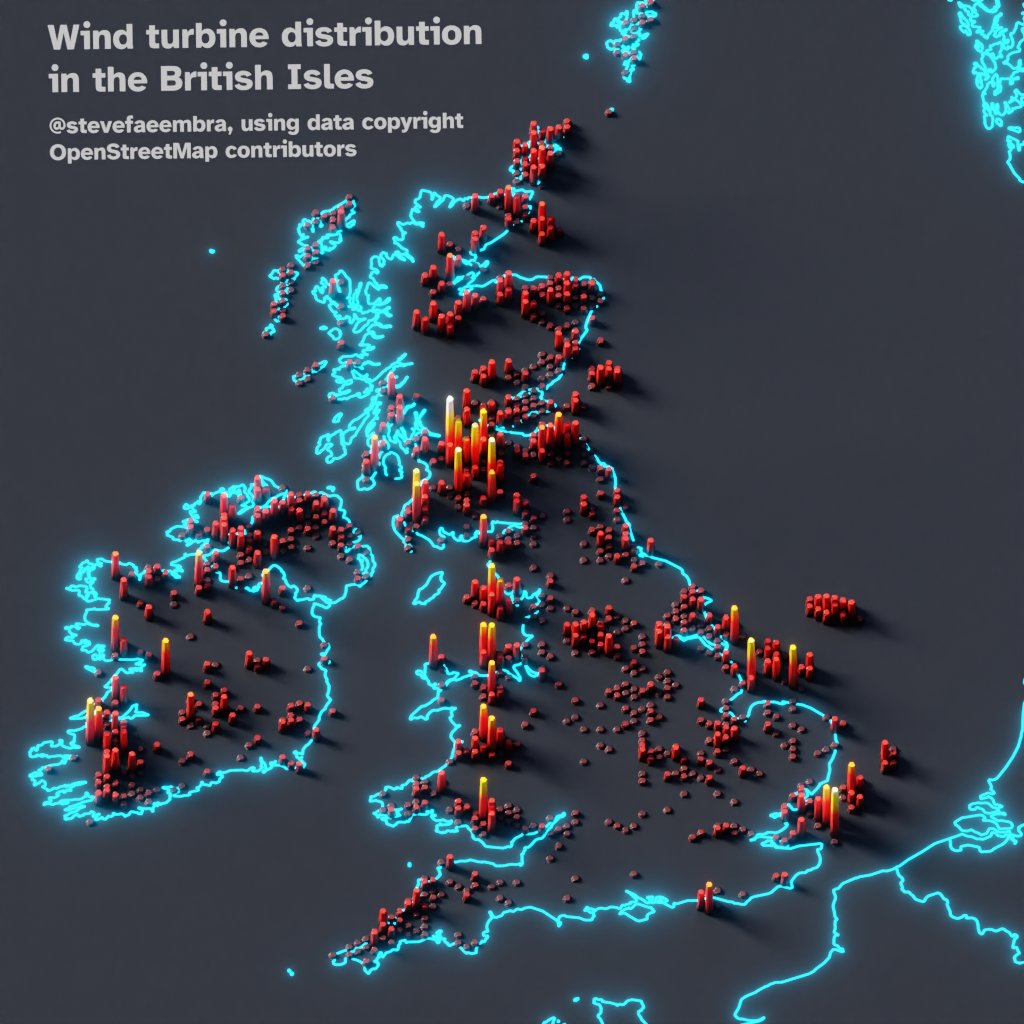
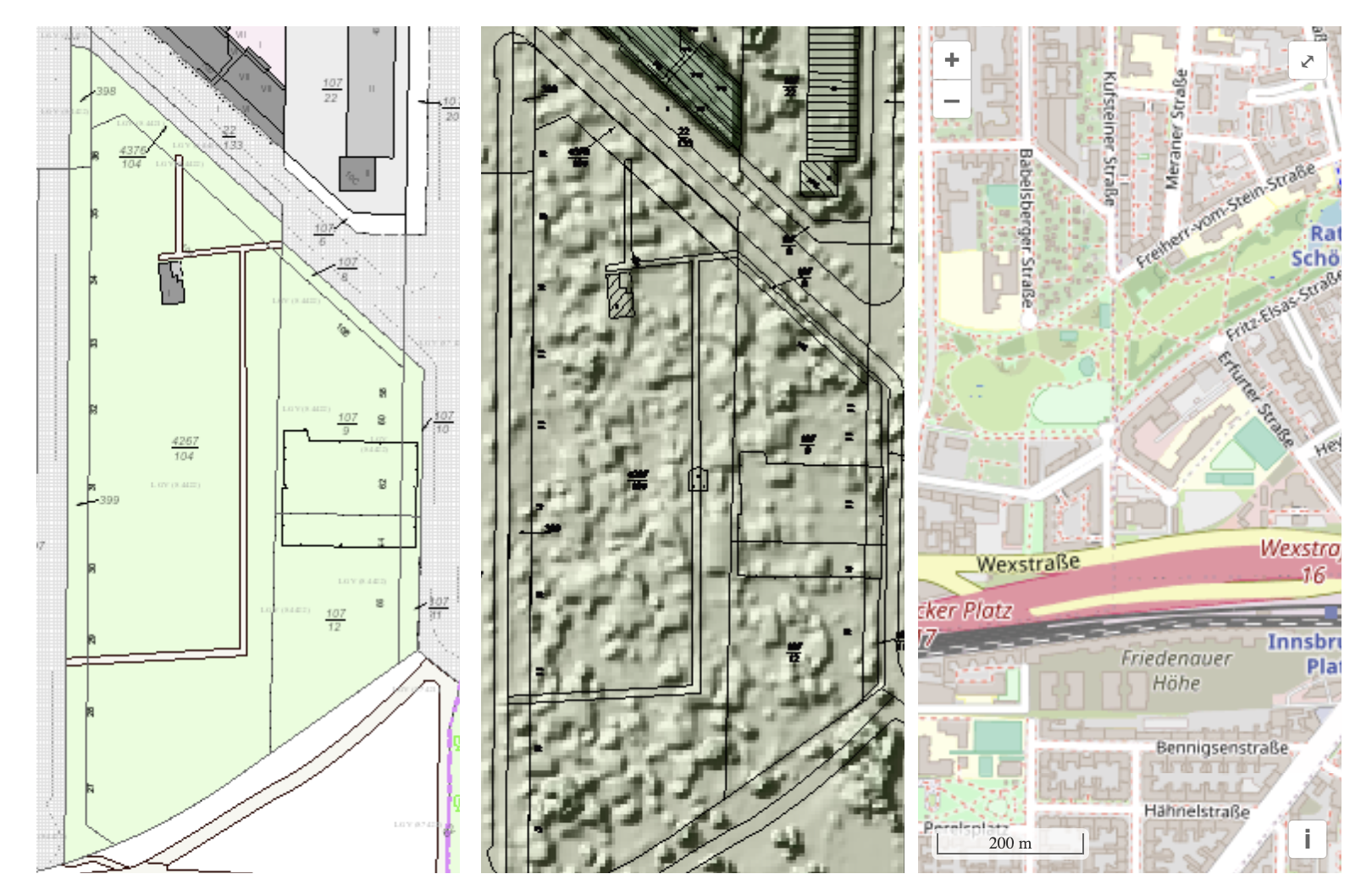
It is possible to produce your own maps which, for example, show only a subset of the mapped names or features. The www.openstreetmap.org website’s main purpose is to facilitate OpenStreetMap mappers and not to be a single map for every use. OpenStreetMap data is used by individuals, big companies, game companies, grassroot organisations, governmental agencies, humanitarian groups and many others and the data can be used to create unlimited maps and for other purposes.
What about official names?

Mostly the official name will match the commonly used name of a feature. Sometimes people will continue to use the original name, so our name tag will stay. We can store the official names of mapped features when different, in the official_name= tag
In cases like the executive order related to Lake Ontario, it’s not unusual that there will be a community discussion and in this case the tag official_name:en-US=Lake America has been added to the lake on OpenStreetMap, to record the new official en-US name. The primary name of the lake remains the same. Since a lot of people still use the name “Lake Ontario” we keep it as name. The addition of the official_name:en-US=Lake America name means that anyone searching for Lake America on www.openstreetmap.org and apps/services using OpenStreetMap data which have all the feature names, will find Lake Ontario.
The Name of the Game
OpenStreetMap’s flexible data model means that if you want to show a map, with certain names, or certain langauges, we provide a world-wide freely-usable database for you to use. Just adjust your map style to prefer one name tag over another, and you’ll automatically get the map you want.
OpenStreetMap’s community base, and non-commerical freedom, international project structure, and “on the ground rule” means that if you use the name tag, then the names on the map will be based on what people are actually using.
When it comes to maps, OpenStreetMap is the only name in town!